Savoring the Best of Jamaican Food One Dish at a Time

Jamaican food has a way of announcing itself before it reaches the table. You smell pimento smoke from a jerk pan half a block away. You catch the sweetness of fried ripe plantain, the earthy depth of red peas simmering with coconut milk, the sharp heat of Scotch bonnet waking up the air around it. By the time the plate lands in front of you, the meal already feels alive.
That vitality is part of what makes Jamaican cooking so memorable. It is bold without being careless, hearty without feeling heavy when it is done well, and layered in a way that rewards attention. A spoonful of rice and peas may seem humble until you notice the thyme, scallion, garlic, and allspice working quietly in the background. A proper curry goat can taste comforting at first bite, then reveal warmth, sweetness, heat, and a long savory finish that lingers.
For anyone trying to understand Jamaican food, it helps to stop thinking of it as one-note “spicy island cuisine.” That shorthand misses the point. Jamaican cooking is a meeting place of histories, migrations, improvisations, and local ingredients. African techniques and seasonings, Indigenous knowledge, British colonial influence, Indian curries, Chinese contributions, and a deep respect for what grows on the island all show up on the plate. The result is a cuisine that feels both deeply rooted and constantly expressive.
Why Jamaican food leaves such a strong impression
The first thing many people notice is the seasoning. Jamaican cooks do not treat seasoning as an afterthought. It is often the central craft. Green seasoning blends, fresh thyme, scallion, onion, ginger, garlic, pimento, curry powder, browning sauce, and Scotch bonnet are used with confidence, but usually with a clear sense of balance. The goal is not simply heat. It is character.
Texture matters just as much. You see it in the crackle of fried dumpling, the tender pull of oxtail that has been braised long enough to surrender, the chew of festival beside jerk chicken, and the creamy softness of cooked yam or boiled green banana. A good Jamaican meal rarely gives you only one sensation. It contrasts crisp with soft, rich with bright, and fiery with cooling sides.
There is also a practical intelligence behind many dishes. These are foods shaped by labor, family, and economy. Soups that stretch ingredients without tasting austere. Slow braises that turn tougher cuts into luxury. Breakfasts designed to satisfy a person headed into a long day. Street food that delivers serious flavor without ceremony. The best Jamaican food is never trying too hard to impress you, which is exactly why it so often does.
Jerk, the dish most people know, and the one most often misunderstood
If Jamaican food has an ambassador, it is jerk. Unfortunately, it is also one of the most diluted dishes outside Jamaica. Too often, “jerk” gets reduced to a sweet bottled sauce or a vague label slapped on grilled chicken. Real jerk is more specific and much more interesting.
Traditional jerk is a method as much as a flavor profile. Meat, especially chicken or pork, is seasoned with a mixture that usually includes Scotch bonnet, scallion, thyme, pimento, ginger, garlic, and salt. It is then cooked slowly over pimento wood or coals, often in a drum pan or pit where smoke plays a major role. When done right, the outside has char and deep spice, while the inside stays juicy and fragrant.
Pork jerk can be extraordinary because the fat carries smoke and spice so well. Chicken is more common and, when properly marinated, can be every bit as compelling. The best jerk has heat, but heat should not flatten the rest of the flavors. You should taste allspice, herbs, smoke, and the savoriness of the meat itself.
What makes jerk especially satisfying is what happens around it. It is often served with festival, that slightly sweet fried dough that softens the edge of the spice. Bread can be offered to mop up juices. Sometimes there is roast yam or bammy, the cassava flatbread that has a subtle, clean flavor and a texture unlike anything else in the meal. Those side choices are not random. They are part of the dish’s balance.
The comfort of rice and peas, and why the name matters
Anyone new to Jamaican food may be surprised to learn that rice and peas often contains no green peas at all. In much of Jamaica, “peas” usually refers to beans, especially red kidney beans or gungo peas, depending on the dish and the season. That linguistic detail matters because it points to something larger: local culinary language often carries history and habit that outsiders miss.
Rice and peas is one of the anchors of the Jamaican table. The rice is cooked with beans in coconut milk, seasoned with thyme, scallion, garlic, and often a whole Scotch bonnet that perfumes the pot without necessarily bursting and overwhelming it. When the ratio is right, the grains stay separate and fluffy, not mushy. The coconut milk should enrich the rice, not drown it.
This dish is often treated like a side, but in practice it can shape the whole meal. It absorbs gravy from stew chicken, stands up to the deep sauce of oxtail, and cools down a plate of jerk. It is one of those foods that tells you a lot about the cook. Great rice and peas looks simple. It is not.
Oxtail, curry goat, and the art of slow cooking
There are few things more convincing than a well-made Jamaican braise. Oxtail, in particular, has become famous far beyond the island, and for good reason. When cooked properly, it is rich, gelatinous, savory, and deeply aromatic. The meat should not be stringy or greasy. It should be tender enough to yield easily, while the sauce holds enough body to cling to rice without turning stodgy.
Jamaican oxtail usually gets its flavor from a combination of browning, herbs, onion, garlic, pimento, and patient cooking. Butter beans are often added near the end, bringing softness and a mild creaminess that complements the intensity of the meat. The dish can be expensive on restaurant menus now, partly because oxtail itself is no longer a cheap cut. That price jump has changed how often some families cook it at home, but it remains one of the most beloved plates in the cuisine.
Curry goat occupies a slightly different space. It is celebratory, communal, and especially common at gatherings where large pots feed many people. The curry blend used in Jamaican kitchens tends to have a distinct profile, often brighter and more aromatic than some restaurant versions found abroad. Goat requires time. If rushed, it can stay tough and underdeveloped. If handled with care, it becomes one of the most satisfying dishes on the table, with a sauce that begs for rice, roti, or both.
These dishes also demonstrate a broader truth about Jamaican food: patience is often the hidden ingredient. Flavor is built in stages, not shortcuts.
Ackee and saltfish, the national dish with real nuance
Ackee and saltfish is the plate many people hear about first and understand last. Ackee, a fruit with a delicate, buttery texture when cooked, looks almost like softly scrambled eggs on the plate. Saltfish, usually salted cod that has been soaked and flaked, brings salinity and structure. Add sautéed onion, tomato, scallion, thyme, and sometimes Scotch bonnet, and the result is a dish that is savory, fragrant, and unexpectedly refined.
The texture of ackee is the key. It is gentle, almost creamy, and can break apart if overhandled. A good cook knows when to fold and when to leave it alone. Saltfish must also be managed carefully. Too much soaking and it loses personality. Too little and the dish becomes aggressively salty. This is one of those preparations where judgment matters more than strict formula.
Ackee and saltfish is often eaten for breakfast, paired with fried dumpling, boiled green banana, roasted breadfruit, or yam. It is a substantial meal, but it does not feel blunt. The flavors are measured. If you have only encountered Jamaican food through jerk chicken and patties, this dish reveals another side of the cuisine, one that is quieter and more subtle without being timid.
The everyday greatness of patties, coco bread, and roadside meals
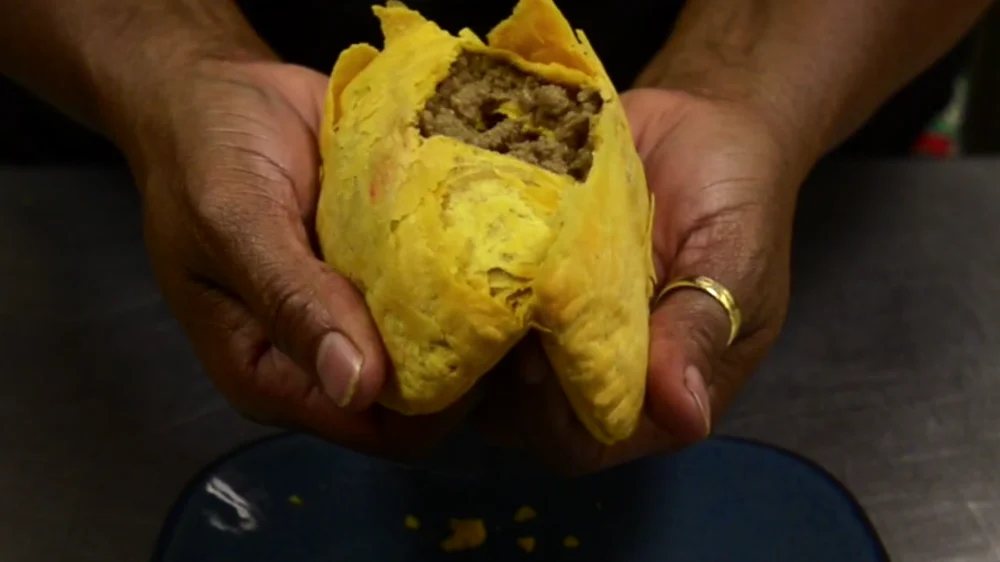
Not every iconic dish comes from a slow braise or a holiday table. Jamaican patties are one of the great everyday foods anywhere. Their appeal is obvious, but the difference between a decent patty and a memorable one is wider than many people expect.
The pastry should be flaky but not dry, sturdy enough to hold the filling without becoming bready. The filling, often beef but also chicken, vegetable, or saltfish, should be seasoned fully. You want savoriness, a little heat, and enough moisture to keep each bite cohesive. Some versions lean brighter with curry notes, while others go deeper on pepper and herbs.
Slip a patty into coco bread and you have a snack that borders on a full meal. The soft, slightly sweet bread cushions the spice and catches any escaping filling. It is simple, portable, and deeply satisfying. Roadside stalls and bakeries also offer slices of daily life that deserve attention: fried fish wrapped to go, soup ladled into cups, roast corn, and fresh juice from fruits that taste more vivid in warm weather.
One of the pleasures of Jamaican food is that excellence is not confined to formal dining rooms. Some of the best bites come from places with a few stools, a grill drum, and a line that starts forming before noon.
Ital food and the quieter spectrum of the cuisine
People sometimes assume Jamaican food is all meat, smoke, and heat. Ital cooking immediately corrects that assumption. Rooted in Rastafarian principles, ital food often emphasizes natural, minimally processed ingredients and, in many kitchens, excludes meat altogether. The style varies from cook to cook, but its best versions are thoughtful rather than restrictive.
An ital plate might include steamed callaloo, pumpkin, beans, coconut-based stews, okra, plantain, and provisions such as yam or cassava. The flavors are clean and direct. Coconut milk, herbs, and fresh produce do a lot of the work. When prepared with care, ital food feels nourishing in the fullest sense of the word. It also showcases the island’s produce in a way that heavier dishes sometimes overshadow.
This part of Jamaican food deserves more attention because it broadens the picture. It reminds you that the cuisine is not only about intensity. It is also about freshness, restraint, and respect for ingredients in their natural state.
Seafood, soups, and the dishes visitors often overlook
Jamaica’s seafood can be superb, yet many first-time diners go straight to jerk and never look back. That is understandable, but it means missing escovitch fish, one of the sharpest, brightest dishes in the repertoire. Typically, a whole fried fish is topped with a vinegary mixture of carrots, onions, and Scotch bonnet. The contrast between crisp skin and pickled topping is what makes it sing. Done well, it is lively and balanced rather than harsh.
Brown stew fish offers a darker, sweeter profile, with a rich gravy built from tomatoes, onions, peppers, and browning. Pepper shrimp, often sold in paper bags from roadside vendors, can be fiery and deeply snackable. Run down, a dish more commonly associated with mackerel simmered in coconut milk, shows another side of coastal cooking, hearty and deeply comforting.
Jamaican soups also deserve far more credit than they get. Saturday soup is practically an institution in many households and communities. Pumpkin soup, red peas soup, and mannish water each tell a different story about local ingredients, thrift, and ritual. These are not delicate starter courses. They are meals with backbone, built to sustain.
What to try first if you are new to Jamaican food
If you are approaching the cuisine for the first time, it helps to choose a few dishes that show different strengths rather than ordering several versions of the same flavor profile.
- Jerk chicken for smoke, spice, and the cuisine’s most famous technique
- Ackee and saltfish for texture, balance, and a true national classic
- Oxtail with rice and peas for depth, richness, and slow-cooked skill
- Escovitch fish for brightness and contrast
- A beef patty with coco bread for the everyday bakery side of the culture
That combination gives you a much clearer picture of Jamaican food than sticking to grilled meats alone.
The role of heat, and why Scotch bonnet is not just about spice
Scotch bonnet peppers have become shorthand for Jamaican heat, but their real value goes beyond Scoville numbers. They carry a fruity aroma that can make a dish feel brighter and more alive even when used whole and removed before serving. In home cooking, it is common to control heat not only by using less pepper, but by deciding whether the pepper gets pierced, chopped, simmered whole, or kept entirely on the side.
This matters because people unfamiliar with Jamaican food often think every dish arrives aggressively hot. In reality, many are aromatic first and fiery second. A smart cook knows how to use https://anotepad.com/notes/pbjx3qq4 pepper to build character without wrecking the meal for everyone at the table. Restaurants that flatten this nuance into sheer heat miss one of the cuisine’s most important skills.
Eating Jamaican food well, whether at a restaurant or someone’s home
Context changes the experience. At a restaurant, the menu may offer the cuisine’s greatest hits, but availability often depends on the day, the cook, and the pace of service. At a family gathering or community event, the food may come with a stronger sense of occasion, especially if there is curry goat, soup, or multiple starches on the table. Portions can be generous in either setting, and that generosity is part of the hospitality built into the food culture.
If you are ordering from a counter spot or a takeout kitchen, a little judgment goes a long way.
- Ask what was cooked that day rather than relying only on the printed menu
- Choose sides that balance the main dish, not duplicate it
- Be specific about spice only if the kitchen invites that choice
- Expect slower service when food is being finished fresh
- Save room for a drink or dessert, especially sorrel, carrot juice, or rum cake
Those small decisions often make the meal noticeably better.
Dessert, drinks, and the finish that rounds out the meal
Jamaican desserts and drinks rarely get the same attention as the savory staples, but they complete the picture. Rum cake, dense with fruit and soaked flavor, appears often around holidays and celebrations. Gizzada, with its spiced coconut filling, offers a pastry experience that is sweet but textured and aromatic. Sweet potato pudding, when baked until the edges darken slightly, can be one of the most satisfying desserts in the Caribbean.
Then there are the drinks. Sorrel, especially around Christmas, delivers tartness, spice, and color. Carrot juice in the Jamaican style is richer and more layered than many expect, often blended with condensed milk and warm spices. Irish moss drinks, peanut punch, and fresh fruit juices all occupy their own space in the broader food culture, somewhere between refreshment and sustenance.
These choices matter because Jamaican meals often move between boldness and comfort. A cool drink or spiced dessert does not merely end the meal. It shifts the mood.
What makes Jamaican food worth returning to
The best cuisines reward repeat visits, and Jamaican food certainly does. The first meal might hook you with jerk or a glossy plate of oxtail. The second might make you notice the supporting cast, the rice and peas, the fried plantain, the pickled vegetables, the dumpling that looked simple until you realized how perfectly it fit everything else. Over time, the cuisine opens up further. You start appreciating soups, breakfast dishes, seafood, ital cooking, seasonal produce, and the tiny decisions that separate a good plate from a great one.
That depth is why Jamaican food keeps its hold on people. It offers immediate pleasure, but it also carries memory, technique, adaptation, and pride. It can be festive, restorative, indulgent, or practical, sometimes all in the same meal. You do not need a grand tasting menu to understand it. You need a well-seasoned plate, some curiosity, and the willingness to pay attention to what each dish is trying to say.
One dish at a time, Jamaican food reveals a cuisine of remarkable confidence, one that knows exactly who it is.
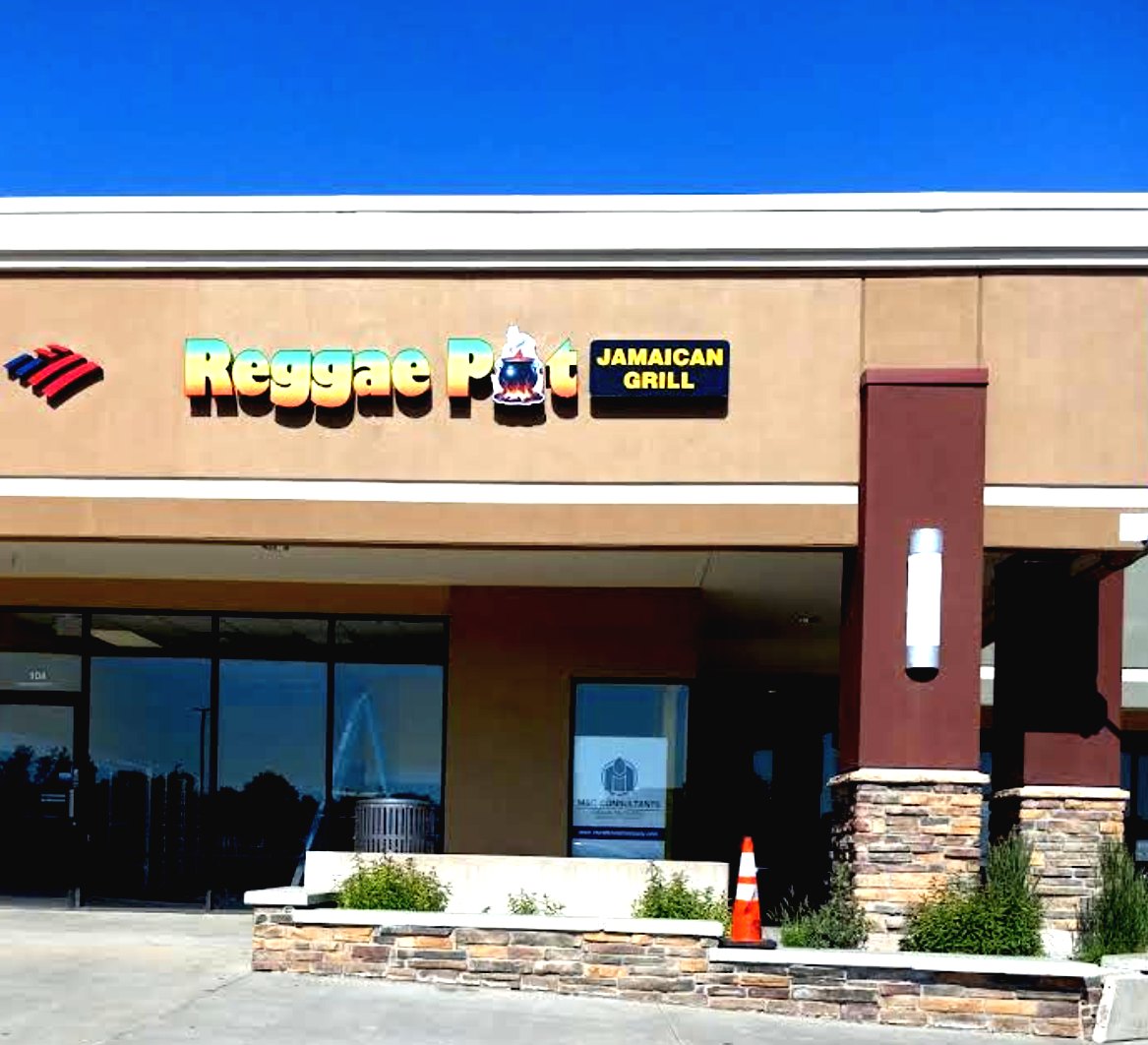
Reggae Pot Jamaican Grill
2243 S Monaco St Pkwy #104
Denver, CO 80222
+1 720-410-2956
FAQ About jamaican food
What is the best Jamaican food to try in Denver?
The best choice depends on your tastes. Popular options include jerk chicken, curry goat, slow-cooked oxtail, and savory patties. Reggae Pot lists these dishes on its menu, with sides such as rice and peas and plantains. Ask the Denver team about current availability and spice levels.
Is Jamaican food very spicy in Denver?
Heat varies by dish and preparation. Jerk seasoning often includes scotch bonnet peppers alongside herbs and allspice, while other dishes may have gentler seasoning. Ask about the heat of the specific dish and any sauce before ordering.
What are some popular Jamaican snacks?
Jamaican patties are a popular snack made with flaky pastry and savory meat or vegetable fillings. Other options include fried dumplings and festival, a sweet fried dough often served with savory dishes. Availability varies, so check the current menu when ordering.