Best Caribbean Food Denver Picks for Authentic Island Dining
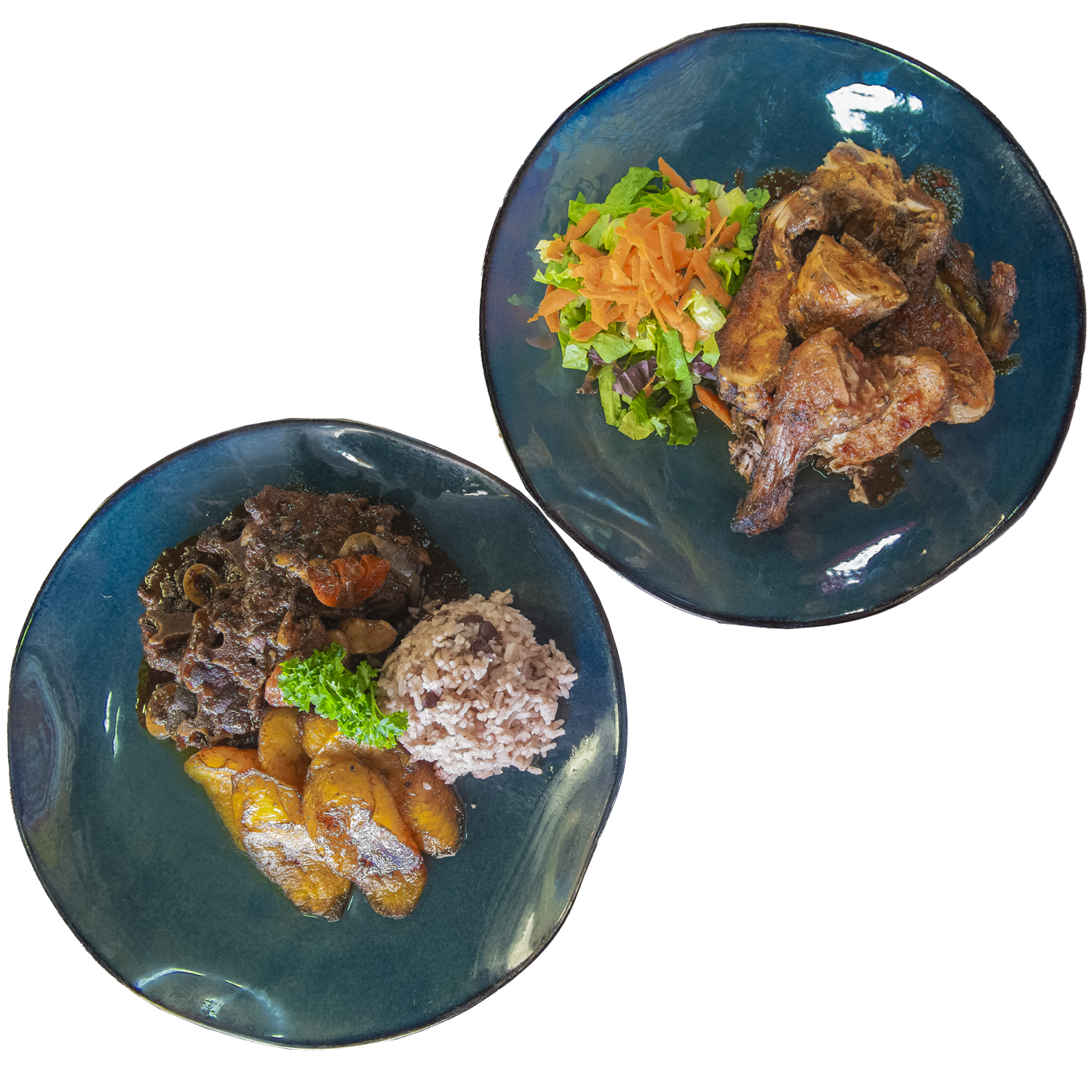
Denver is not the first city most travelers associate with Caribbean cooking. The altitude, the dry air, the mountain mood, none of it naturally suggests slow-braised oxtail, fiery Scotch bonnet, or flaky beef patties eaten hot from a paper sleeve. Still, the city has built a food culture that rewards cooks with a point of view, and that matters. Caribbean food thrives when it is made by people who respect time, spice, and memory. Denver has enough of that now that a serious eater can put together a satisfying island-focused meal plan without settling for watered-down versions.
The tricky part is knowing what counts as a real find. Caribbean cuisine is broad. Jamaican food often gets the most attention in American cities, but the region also includes Trinidadian, Haitian, Cuban, Puerto Rican, Dominican, and smaller island traditions with their own techniques and flavor logic. A place serving a decent plate of rice and beans is not automatically delivering an authentic Caribbean experience. The strongest kitchens usually reveal themselves through details: the right smoke on jerk chicken, the slight sweetness in fried plantains before they tip into dessert territory, a curry with depth rather than just heat, a gravy that tastes like it has been tended for hours.
If you are searching for the best caribbean food denver has to offer, it helps to eat with a little structure. Not a rigid checklist, just enough judgment to tell apart food made for convenience from food made with roots.
What authenticity actually tastes like
Authenticity gets used loosely, and often unfairly. A Caribbean restaurant in Denver is working with different supply chains, different weather, and caribbean food denver a customer base that may know jerk seasoning but not callaloo. No serious diner should expect a perfect copy of a roadside stall in Kingston or a family table in Port of Spain. What you can reasonably expect is integrity.
That shows up first in seasoning. Caribbean food should not taste shy. A proper brown stew chicken has aromatics that push forward. Allspice, thyme, scallion, garlic, ginger, black pepper, and chile should register clearly, even when the dish is comforting rather than spicy. The same goes for rice and peas, which, despite the simple name, ought to carry flavor from coconut milk, herbs, and cooking liquid. If the rice tastes like a neutral side dish, the kitchen is probably pulling its punches elsewhere too.
Texture matters just as much. Good jerk is not just spicy grilled chicken. It should have char, smoke, and a little tackiness from marinade and rendered fat. Oxtail should be tender enough to pull apart but never mushy. Patties should shatter slightly at the edges and stay moist inside. Fried plantains need the right maturity. Too firm and they taste underdeveloped. Too soft and they lose contrast.
Then there is balance. Caribbean food is often painted as heavy, but the best versions are balanced by acidity, heat, sweetness, and herbs. Pickled vegetables, pepper sauces, slaws, tamarind, citrus, and fresh garnish all play a role. A great plate feels rich without becoming dull halfway through.
The Denver advantage, and the Denver limitation
Denver’s dining scene has become more curious over the past decade. Diners are more willing to seek out regional food, and independent operators have found audiences for menus that would have struggled in a more cautious era. That helps Caribbean restaurants, especially smaller family-run businesses that depend on repeat customers who understand why certain dishes take time or occasionally sell out.
The limitation is scale. Denver does not have the same density of Caribbean communities you might find in South Florida, New York, or parts of Toronto. That means fewer specialized restaurants and less room for hyper-regional niches. You are more likely to find a broadly Caribbean menu, or a restaurant centered on Jamaican staples with a few crossover dishes, than a place devoted solely to, say, Trinidadian doubles and roti.
For diners, that means expectations should be calibrated, not lowered. You may not have ten great options for every dish. You can still find strong cooking if you know what to look for and when to go.
The kinds of places most worth seeking out
In Denver, the best Caribbean meals often come from compact operations that focus on a limited menu and execute it repeatedly. These are the places where the steam table is not a compromise but a strength, because braises, curries, and stews benefit from holding and deepening. A flashy dining room is less important than turnover, aroma, and signs that the kitchen cooks for people who know the food.
A few traits tend to separate the best bets from the forgettable ones:
- A short menu with clear strengths, rather than a sprawling pan-island mix trying to cover every craving
- House-made sauces or condiments, especially pepper sauces, jerk marinades, and gravies with visible depth
- Sides that matter, including properly seasoned rice, cabbage, beans, and plantains
- Weekend specials or rotating dishes that suggest a real kitchen rhythm
- Staff who can tell you what sold well that day, what is spicy, and what takes longer to prepare
None of those points guarantees excellence on its own. Together, they usually point in the right direction.
Start with Jamaican classics, because they travel best
Among Caribbean cuisines in inland American cities, Jamaican food tends to establish the strongest foothold, and for good reason. It is vivid, hearty, and built around dishes that hold up well in small restaurant settings. If you are new to Caribbean food in Denver, Jamaican staples are often the safest entry point and, when done well, some of the most satisfying meals in town.
Jerk chicken is the obvious benchmark. The problem is that many restaurants, not just in Denver, treat jerk as a seasoning profile rather than a cooking method and tradition. Real jerk should carry smoke and depth, not just powdered spice and surface heat. If a place advertises jerk but serves pale grilled chicken with sweet bottled sauce, move on. The better version comes dark at the edges, fragrant with thyme and allspice, and spicy enough to linger without bludgeoning your palate.
Oxtail is another revealing dish. It is expensive to make correctly, and there is nowhere to hide poor technique. The meat needs time. The gravy needs body. The seasoning should penetrate beyond the surface. In a strong kitchen, oxtail arrives glossy and rich, often with butter beans, and feels like the dish everyone wanted before the tray started running low.
Curry goat deserves equal attention. Good curry goat is earthy, aromatic, and slightly gamey in the best way. The sauce should cling to rice without pooling like soup, and the meat should still have character. Overcooked goat can become stringy or anonymous. Done well, it is one of the most satisfying dishes in the Caribbean repertoire.
Then there are patties, which sound humble but tell you a lot. A fresh beef patty with a flaky crust and properly seasoned filling is one of the best value orders at any Caribbean restaurant. It is also the item most likely to expose corner-cutting. Frozen patties are common and not always bad, but once you have had a truly fresh one, you stop confusing convenience with quality.
The sides are not side notes
One common mistake diners make is focusing entirely on the protein. Caribbean kitchens often reveal their standard in the supporting cast. Rice and peas, cabbage, festival, yuca, mac and cheese, fried dumplings, plantains, and slaw all shape the meal. When these are treated as filler, the restaurant may still produce one good signature dish, but it is rarely a place with range.
Rice and peas is the most useful signal. It should not be dry, chalky, or bland. The grains should be distinct but not hard, and the coconut note should be present without turning the dish sweet. Plantains are another indicator. Properly fried ripe plantains should have caramelized edges and soft centers, with enough contrast to keep each bite interesting. Cabbage often gets overlooked, but a lightly braised, well-seasoned cabbage side can rescue a rich plate from fatigue.
This is where experienced diners notice an important trade-off. Some of the very best Caribbean plates come from places that are unapologetically rustic. The presentation may be plain. The containers may be foam. The vegetables may look modest. But if the rice is fragrant, the gravy is deep, and the plantains are right, you are usually in better hands than at a spot spending more energy on décor than on holding temperatures and batch timing.
Heat, sweetness, and smoke, getting the balance right
People often reduce Caribbean food to spiciness. That misses the real sophistication. Heat matters, especially in dishes shaped by Scotch bonnet peppers, but it is only one piece of the architecture. Caribbean cooking relies heavily on contrasts. Smoke against sweetness. Richness against acid. Soft braised meat against crisp fried edges.
A jerk plate should therefore be judged not only by how hot it is, but by how complete it tastes. You want the pimento note, the thyme, the garlic, the slight bitterness from char, the sweetness from caramelization, and the freshness from any garnish or side. The best bites feel composed even when they are messy.
The same principle applies to desserts and drinks when a restaurant offers them. Rum cake should not be cloying. Sorrel should carry spice and brightness rather than tasting like fruit punch. Ginger beer, whether house-made or carefully sourced, should bite back a little.
These details matter because they separate island cooking from generic comfort food with extra chile. A restaurant that understands these balances usually understands the cuisine at a deeper level.
What to order if it is your first serious Caribbean meal in Denver
If you only have one or two chances to explore the local scene, order in a way that gives the kitchen room to show its strengths. A good first meal often includes a signature protein, a benchmark side, and one item that reveals technique.
- Jerk chicken, for smoke, spice, and marinade depth
- Oxtail, if available, to judge braising and gravy
- Curry goat or curry chicken, to test seasoning balance
- Rice and peas, because every strong kitchen should get it right
- Plantains or a patty, depending on whether you want a side or a snack
That mix gives you a read on both flavor and consistency without overcomplicating the order.
Where Denver diners sometimes misread the menu
There is a practical challenge in the local market. Some restaurants use the word "Caribbean" very broadly, which can be reasonable, but it can also blur expectations. A menu might include Cuban sandwiches, Jamaican jerk, generic tropical cocktails, and seafood platters under one roof. There is nothing inherently wrong with that. It just means you should not assume equal mastery across the board.
In my experience, a kitchen that tries to cover too many islands at once often becomes strongest in one lane. Maybe the stewed meats are excellent while the seafood feels standard. Maybe the patties are worth the drive but the rice underdelivers. That is normal. The smart move is to identify the house specialty and return for that, rather than expecting every category to impress equally.
This matters even more with spice level. Some restaurants in Denver soften heat to accommodate broader traffic. Others keep pepper levels fairly true and let diners decide whether to add sauce. Neither approach is automatically better, but transparency helps. If you like heat, ask whether the spice is cooked into the dish or served on the side. A kitchen that answers confidently usually knows its own food.
Casual takeout can be better than a formal dinner
For Caribbean food, takeout is not a downgrade by default. In fact, some dishes improve after a short rest in the container, as gravies settle into rice and spices mingle. Denver’s best Caribbean meals may come in straightforward packaging, meant for eating at home or in the car while everything is still warm.
That format suits the cuisine. Many island classics were never designed to perform for white-tablecloth dining. They were designed to nourish, satisfy, and hold flavor. A boxed lunch with jerk chicken, cabbage, rice and peas, and plantains can deliver more pleasure than a polished plated entrée that loses soul in translation.
The one caution is timing. Fried items, especially patties and certain seafood preparations, are usually best eaten immediately. Stews and braises travel beautifully. If you are ordering takeout and want the fullest picture of a restaurant, combine one crisp item with one braised item. You will quickly see how the kitchen handles both ends of the spectrum.
Looking beyond the obvious dishes
Once you know a restaurant can handle the standards, branch out. Soup specials, escovitch fish, roti, callaloo, or seasonal preparations often reveal more personality than the menu staples. These dishes can also tell you whether the kitchen is cooking from memory and habit rather than from a narrow list of expected crowd-pleasers.
Escovitch, for instance, lives and dies on contrast. The fish needs crispness, the pickled topping needs brightness, and the whole dish should remain sharp rather than greasy. Callaloo can expose a cook’s hand in a different way. It is a greens dish, but not a timid one. The seasoning should be assertive, and the texture should feel cared for. Roti, if a restaurant offers it, is another major test. A good roti wrap or plate needs bread with flexibility and flavor, plus filling that stays moist without flooding everything.
These are the dishes that convert a meal from "good local option" to "place I will come back to."
Service style and what it tells you
Caribbean restaurants often have a different rhythm from mainstream casual dining, and that is not a flaw. Some dishes are ready when they are ready. Some trays run out. Some places move fast at lunch and slower later in the day. A little patience usually pays off, especially at family-run counters where the person taking your order may also be managing the floor.
What matters more than speed is confidence. Does the staff know what is fresh? Can they explain the difference between brown stew and curry? Do they steer first-timers toward dishes the kitchen is proud of that day? Good guidance is often the clearest sign you are in a restaurant with a real point of view.
There is also a cultural component many Denver diners appreciate once they settle into it. Caribbean hospitality can be warm, direct, and unpretentious. You are less likely to get a rehearsed sales pitch and more likely to get an honest answer about what is good right now. That honesty is worth a lot.
How to build your own short list in Denver
Anyone serious about finding the best caribbean food denver offers should approach it like an ongoing tasting project, not a single perfect answer. Try one place for jerk, another for braises, another for patties or lunch specials. Return on different days. Notice whether the sides stay consistent. Ask what the kitchen is known for rather than ordering purely by habit.
Over time, patterns emerge. Some places are ideal when you want comfort and quantity. Others are better for a sharply executed specialty dish. Some restaurants excel at weekday lunch, when turnover is brisk and trays are freshest. Others shine on weekends, when special items appear and the room fills with people who clearly know the menu.
That is how good local food scenes work. They reward attention. Caribbean dining in Denver may not have the sheer volume of bigger coastal cities, but it offers enough quality to reward anyone willing to look beyond the most obvious listing and judge a restaurant by the plate in front of them.
The best meals will likely share a few traits. They will be bold without being blunt. They will taste seasoned all the way through. They will leave room for sweetness, spice, and smoke in the same bite. Most of all, they will feel made by people protecting something real. That is what authentic island dining looks like in this city, and it is the standard worth chasing.
Reggae Pot Jamaican Grill
2243 S Monaco St Pkwy, Suite 104
Denver, CO 80222
(720) 410-2956
FAQ About caribbean food denver
What is a typical Caribbean meal?
Caribbean cuisines vary by island. A Jamaican meal might pair jerk chicken or oxtail with sides such as rice and peas, cabbage, or fried plantains.
What is Jamaica’s national dish?
Ackee and saltfish is widely recognized as Jamaica’s national dish. Check the current menu for availability.
Is Caribbean jerk the same as Jamaican jerk?
Jerk is a Jamaican cooking tradition associated with seasoning and slow cooking or grilling. The exact heat level and preparation vary by cook.